
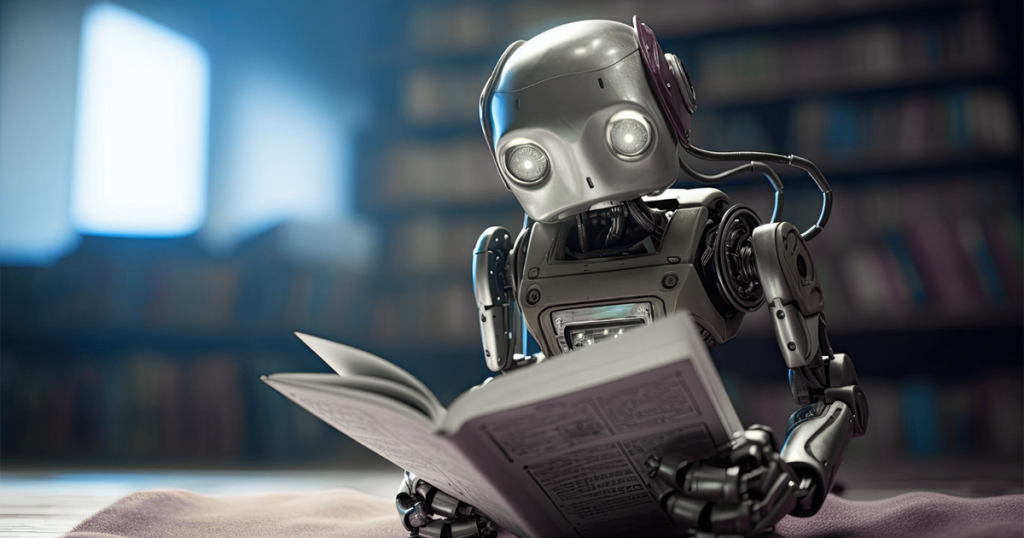
Future Scope of Artificial Intelligence
1. AI in Healthcare: Towards a Smarter Medical Future
The healthcare industry is already witnessing an AI revolution — from AI-powered diagnostics to robot-assisted surgeries. In the future, AI will become even more crucial in:
Early Disease Detection: AI models will predict and diagnose diseases like cancer or Alzheimer’s at much earlier stages.
Personalized Medicine: AI will help tailor treatments based on a person’s genetic profile and lifestyle data.
Remote Patient Monitoring: With wearable devices and AI, doctors can monitor chronic patients in real time.
Drug Discovery Acceleration: AI algorithms will speed up the process of developing new drugs, potentially reducing the timeline from years to months.
The long-term vision? AI as a real-time health assistant for every individual.
2. AI in Education: Customized Learning Paths
Artificial intelligence is transforming the way we learn. The future scope in education includes:
Adaptive Learning Systems: AI can create personalized learning experiences based on a student’s strengths and weaknesses.
Virtual Tutors & Chatbots: 24/7 assistance will be available to students via AI-powered teaching assistants.
Automated Grading: Teachers can save time with AI tools that grade assignments and quizzes.
Predictive Analytics: Institutions will use AI to identify students at risk of dropping out and intervene proactively.
Education will become more inclusive, efficient, and personalized — all thanks to AI.
3. AI in Business: Smarter Decisions, Better Growth
AI is already making businesses more efficient, but its future scope is even more promising:
Hyperautomation: Businesses will automate complex processes across departments using AI and machine learning.
Predictive Analytics for Decision-Making: Real-time data-driven decisions will give businesses a competitive edge.
AI-Powered Customer Support: Chatbots and virtual agents will become more conversational and emotionally aware.
Fraud Detection and Risk Management: AI will identify suspicious patterns to prevent financial fraud and manage risk effectively.
In the near future, companies that fail to adopt AI will risk falling behind.
4. AI in Transportation: Self-Driving and Beyond
One of the most anticipated uses of AI is in transportation. Here’s what the future might hold:
Autonomous Vehicles: Self-driving cars, drones, and trucks will reshape logistics and personal mobility.
Smart Traffic Systems: AI will optimize traffic flow and reduce congestion in cities.
Predictive Maintenance: AI can detect vehicle wear and tear before breakdowns happen, increasing safety.
AI Pilots and Navigation Systems: Even aviation and maritime industries are exploring AI-powered navigation and control systems.
These innovations could make travel safer, greener, and more efficient.
5. AI in Daily Life: A Personalized Experience
From smartphones to smart homes, AI will deeply embed itself into our personal lives:
Voice Assistants 2.0: Assistants like Siri or Alexa will become more context-aware and emotionally intelligent.
Smart Homes: AI will automate lighting, temperature, and security based on our preferences.
Personal AI Companions: In the future, AI may act like a digital friend or mentor, guiding daily decisions.
Digital Twins: You might even have a virtual clone powered by your data, helping you live more productively.
This hyper-personalized future will raise new ethical and privacy concerns too.
6. AI and Job Market: Threat or Transformation?
There is a common fear that AI will lead to mass unemployment. But the future tells a more balanced story:
Job Transformation: While AI will replace repetitive tasks, it will also create new roles (e.g., AI ethicists, data trainers).
Human-AI Collaboration: Most industries will adopt a model where humans and machines work together.
Reskilling and Upskilling: Workers will need to adapt by learning skills in AI, robotics, and data science.
Entrepreneurial Opportunities: AI will enable solopreneurs to build powerful businesses with minimal resources.
The key is to prepare the workforce for a digital-first future.
7. AI in Creativity and Entertainment
AI is also entering creative domains once thought to be purely human:
Music & Art Generation: AI tools like DALL·E or Amper Music are already generating visual art and songs.
Scriptwriting & Storytelling: AI will help create plots for movies, games, and novels.
Virtual Influencers & Avatars: AI-driven characters will populate social media and virtual worlds.
Gaming Evolution: AI opponents and NPCs will become smarter, offering more immersive experiences.
AI will not replace creativity but will enhance and democratize it.
8. Ethical AI: Challenges and Responsibilities
As AI becomes more powerful, ethical considerations will take center stage:
Bias and Fairness: AI systems must be trained on diverse data to prevent discrimination.
Data Privacy: Strong regulations are needed to protect personal information.
Transparency: Users must understand how and why AI systems make decisions.
Accountability: Who is responsible when AI makes a mistake — the developer, the user, or the system?
Governments, companies, and individuals will need to collaborate on building trustworthy AI.
9. AI and the Environment: Building a Sustainable Future
AI will also play a major role in fighting climate change and improving sustainability:
Energy Optimization: AI can reduce power consumption in industries and buildings.
Climate Modeling: Predictive models will improve climate forecasts and disaster response.
Agriculture Automation: AI will boost crop yields and reduce waste with precision farming.
Wildlife Protection: AI systems using satellite data will track and protect endangered species.
Smart, sustainable AI can help solve global environmental crises.
10. The Long-Term Vision: Artificial General Intelligence (AGI)
Currently, most AI systems are narrow AI, meaning they perform specific tasks. But the future may bring Artificial General Intelligence (AGI) — machines that can think, learn, and reason like humans.
AGI Possibilities: Machines that can code, create, teach, and adapt across domains.
AGI Challenges: Huge risks include control, unpredictability, and misuse.
Responsible AGI Development: Governments and institutions must collaborate to ensure AGI aligns with human values.
If achieved responsibly, AGI could be the most significant technological breakthrough in human history.
Conclusion: A Future Shaped by Intelligence
The future scope of artificial intelligence is vast and exciting. From transforming industries to redefining human potential, AI will touch nearly every aspect of life. But with great power comes great responsibility. By focusing on ethical development, inclusive growth, and constant learning, we can ensure AI becomes a force for good in the decades ahead.
READ MORE ON OUR BLOG

AI in Agriculture Projects: Transforming Indian Farming with Technology

AI in Agriculture in India: Projects, Impact & Career Opportunities

How to Use ChatGPT for Content Writing